
Kafka Contract Testing for Event-Driven Microservices
Kafka contract testing helps teams prove that producers and consumers still work together as services evolve. It reduces integration risk without relying on shared end-to-end environments.
No new tests. No DSL. Just instrument your existing service tests.

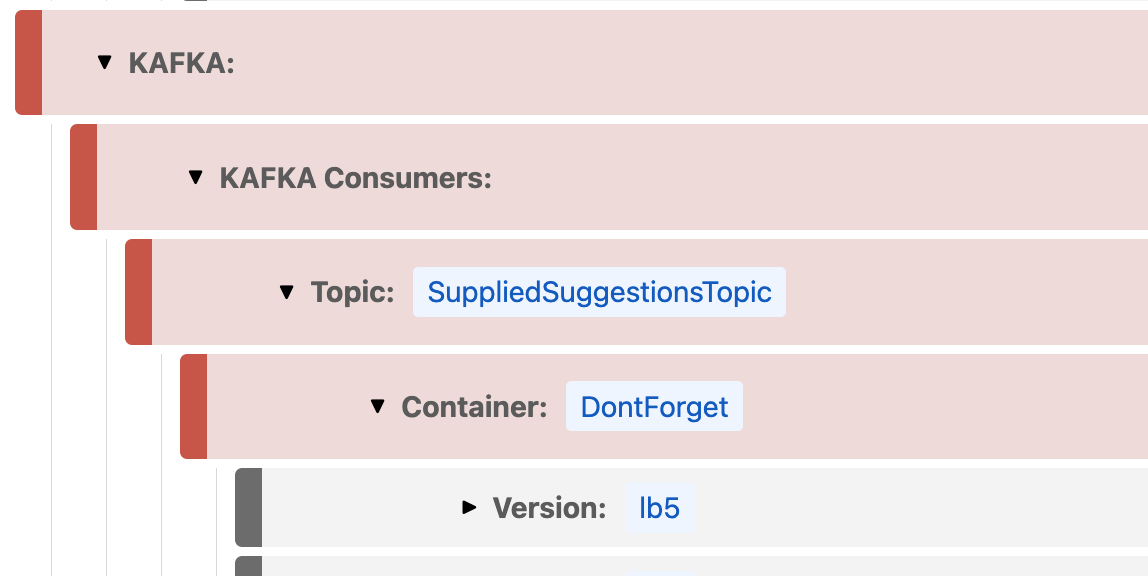
What is Kafka contract testing?
Kafka contract testing is a way of checking that event producers and consumers still agree on how they communicate. In an event-driven system, one service publishes an event and another service consumes it. The contract is the set of expectations that make that interaction safe.
That includes the shape of the message, but it can also include behaviour and assumptions about how fields are used. If a producer changes an event in a way that breaks a consumer, Kafka contract testing helps you catch that before release.
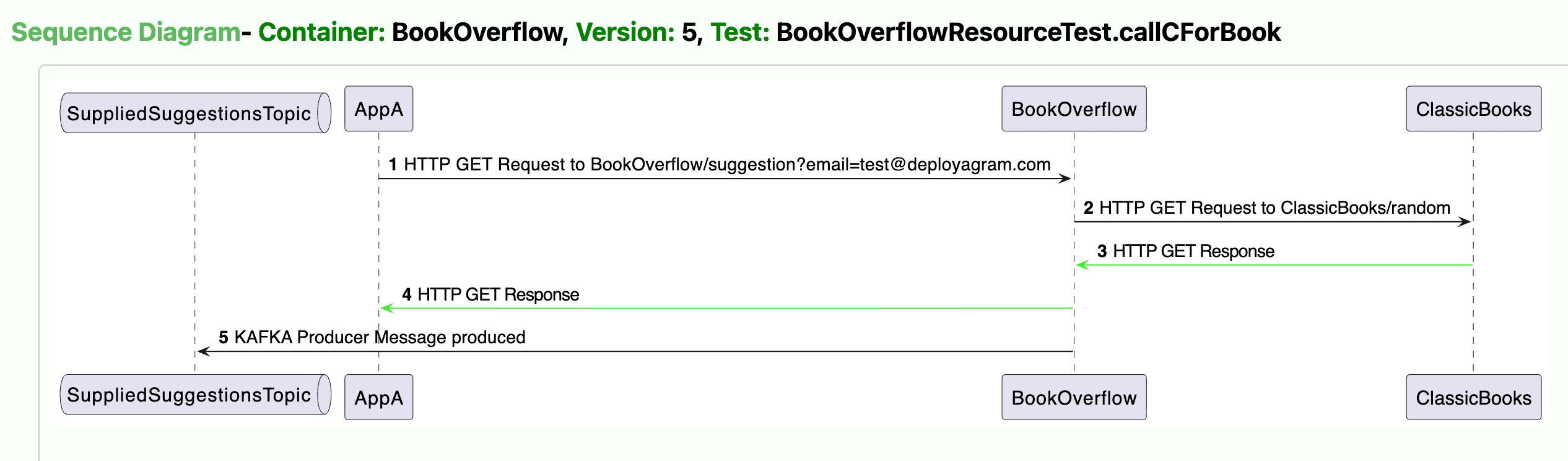
Why Kafka systems need contract testing
Event-driven systems are powerful, but they can hide integration risk. Producers and consumers are loosely coupled in deployment terms, yet tightly coupled by the meaning of the events they exchange.
That means a change that looks harmless in one service can still break another service later. Kafka contract testing gives teams a direct way to prove compatibility across those boundaries.
Example: catching a breaking Kafka change before release
Consider a simple event-driven flow between two services:
- Orders service publishes an event when an order is placed
- Payments service consumes that event to process payment
Originally, the event looks like this:
{
  "orderId": "123",
  "amount": 10,
  "currency": "GBP"
}
Later, the Orders team simplifies the event and removes
currency:
{
  "orderId": "123",
  "amount": 10
}
The message is still valid. It may even pass schema validation. But the Payments service was relying
on currency.
In a shared test environment, this might not be caught until much later — or worse, after release.
Kafka contract testing catches this immediately.
By checking real interactions between producers and consumers, you can see exactly which versions still work together and where compatibility breaks — before anything is deployed.
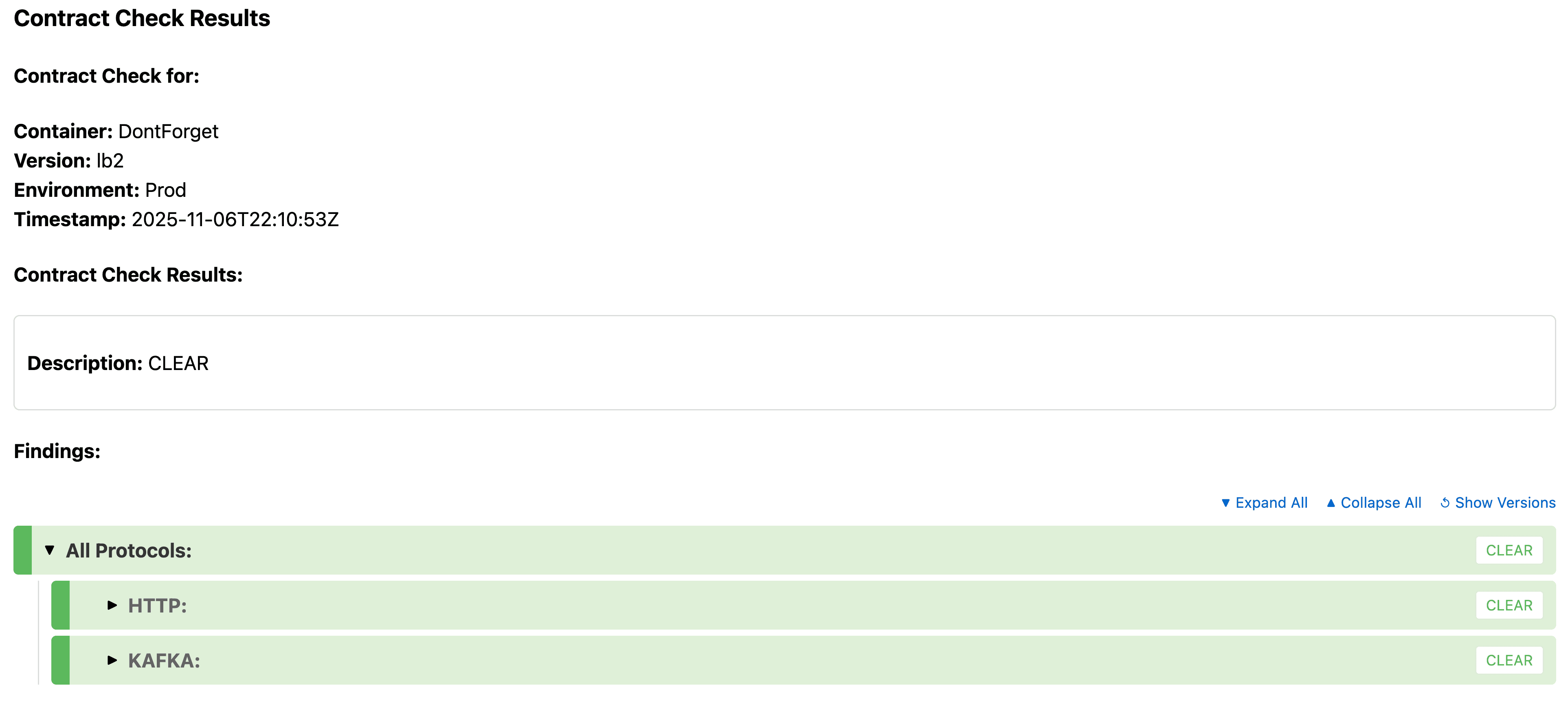
Kafka contract testing vs end-to-end testing
Shared-environment end-to-end testing is a poor fit for event-driven microservices. It depends on multiple services being deployed together and behaving correctly at the same time, which weakens independent deployability.
It also suffers from version mismatch. A pre-production environment often contains a different mix of service versions from production, so an end-to-end test can pass before release while production still breaks afterwards.
Kafka contract testing is a better fit because it verifies compatibility directly between producers and consumers, instead of asking whether one shared environment happens to work right now.
Kafka schemas are not the whole story
Schemas matter, but Kafka contract testing is not only about whether a message validates against a schema. Compatibility also depends on what consumers expect, which fields they rely on, and how they interpret events in practice.
A Kafka schema registry helps enforce message validity in a live environment, but it does not tell you in advance whether a new version will still work safely with the services around it once deployed. That is why contract testing is useful even when a schema registry exists: a message can still be technically valid while breaking a real consumer expectation.
How Deployagram helps with Kafka contract testing
No new tests. No DSL. Just instrument your existing service tests.
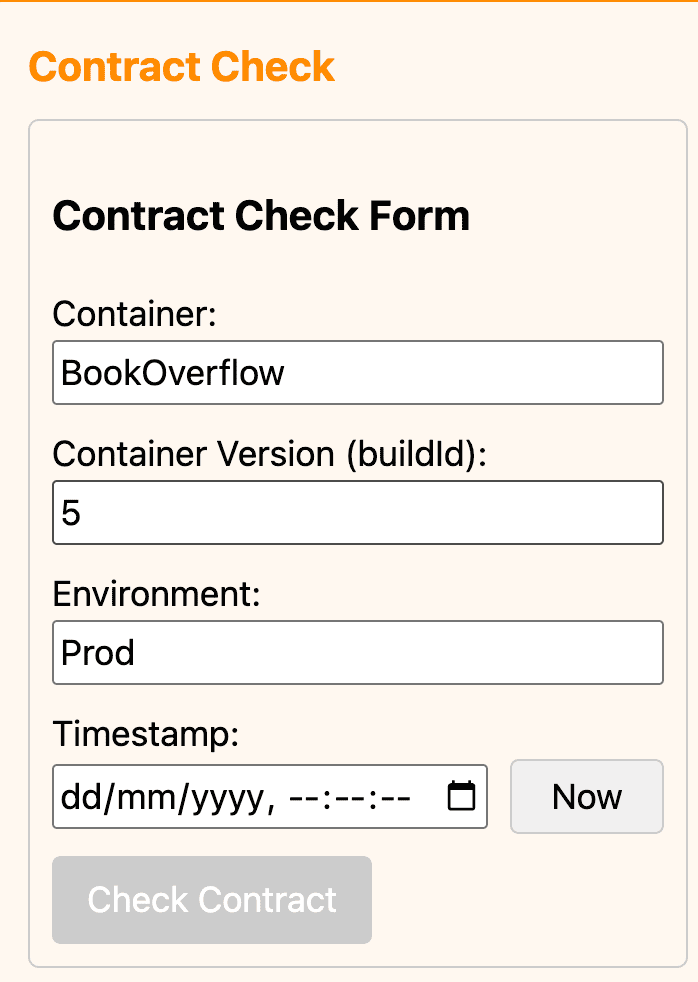
Deployagram makes Kafka contract testing visual without requiring teams to write a second set of tests. Instead, it instruments your existing functional service tests and turns them into reusable contract evidence.
You can choose one service version, see what it is compatible with, inspect what changed, and understand failures more quickly across both Kafka and HTTP communication.
Key benefits of Kafka contract testing
Fast feedback
Catch breaking event changes earlier, without waiting for shared-environment testing.
Safer releases
Reduce the risk of producer changes silently breaking downstream consumers.
Clearer compatibility
See whether services still work together across versions instead of guessing from logs.
Built for async communication
Cover event-driven boundaries as well as HTTP-based interactions in the same approach.
Living documentation
Use real test evidence and diagrams as up-to-date documentation of how events flow through your system.
Supports independent deployability
Prove service compatibility without depending on shared end-to-end environments.
Frequently asked questions about Kafka contract testing
What is Kafka contract testing?
It checks that event producers and consumers still agree on message shape and behaviour, so services remain compatible as versions change.
Why is Kafka contract testing useful?
It helps teams catch breaking event changes before release without relying on shared environments or end-to-end tests across multiple services.
Is Kafka contract testing only about schemas?
No. Schemas matter, but real compatibility also depends on behaviour and what consumers actually expect from events.
Does Deployagram require new Kafka tests?
No. Deployagram instruments existing functional service tests instead of requiring a separate DSL and a second set of tests to maintain.
Try Kafka contract testing
Get in touch to try Deployagram for Kafka contract testing, HTTP API contract testing, release diffs and living architecture diagrams.