Run contract checks before release.
Choose one application version and quickly see what it works with, what it does not, and where compatibility breaks. Deployagram turns your existing service tests into clear, visual contract checks.
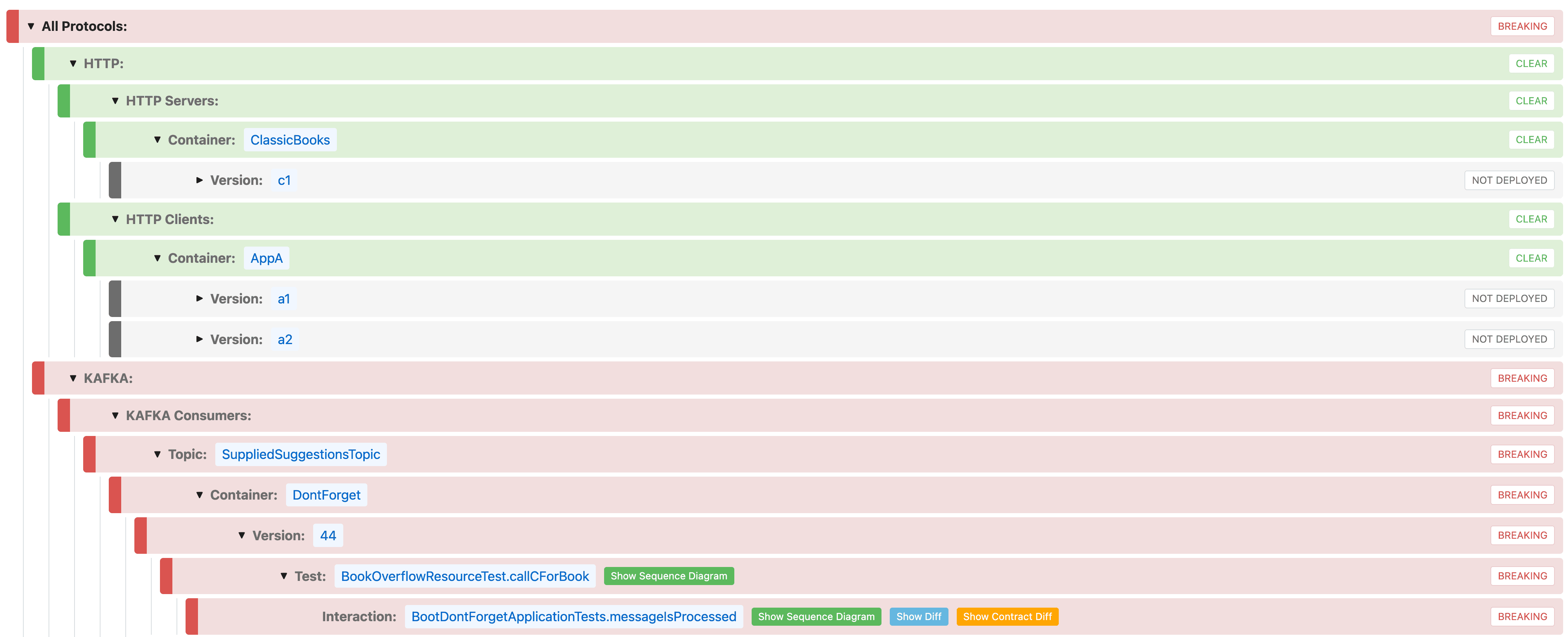
Run contract checks from one version
To run a contract check, choose the application and version you want to inspect, pick the environment, and set the point in time to compare against. Deployagram then shows what that version works with, what it does not, and where compatibility breaks.
We use your existing interactions to validate expectations across versions and environments.
Reuse the tests you already have
No new tests. No DSL. Deployagram turns interactions captured in your existing service tests into reusable, versioned contract checks across teams.
Clear, high‑level results across protocols
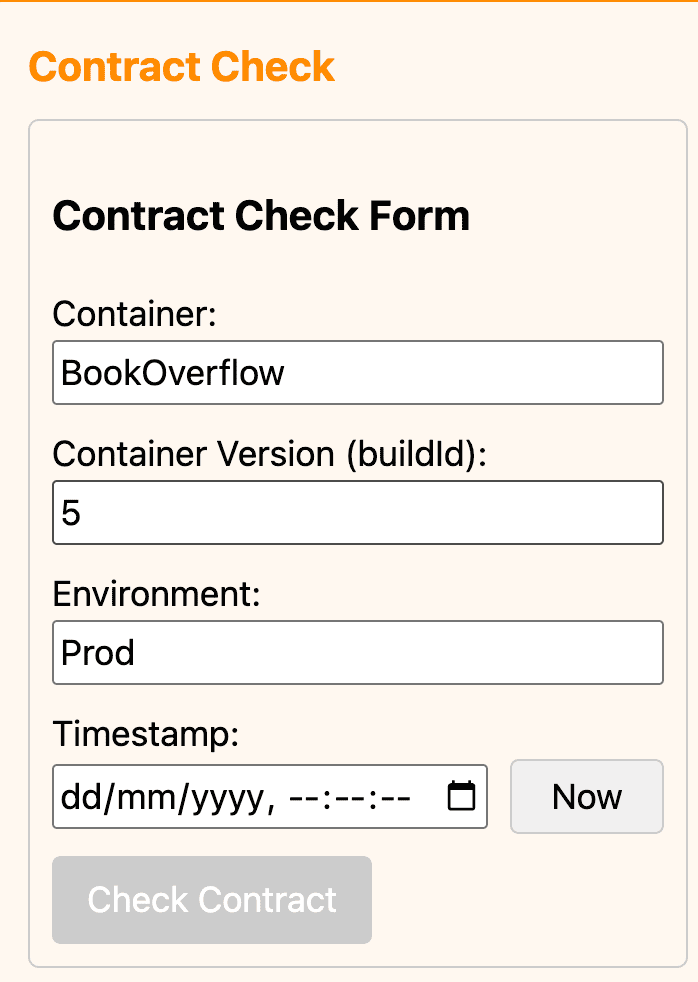
See at a glance whether contracts pass or fail across HTTP and Kafka, all in one view. Quickly spot which areas are healthy and where to drill in.
Protocol‑aware summaries roll up results so teams can align fast.
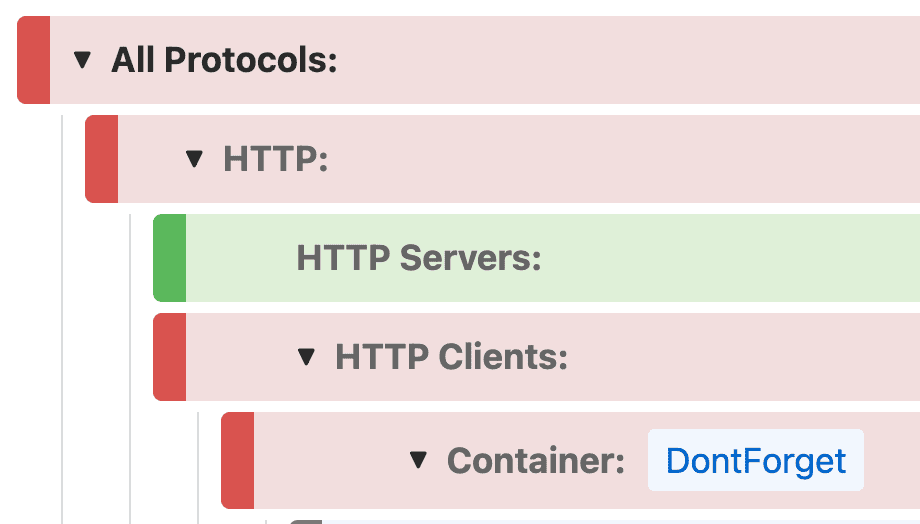
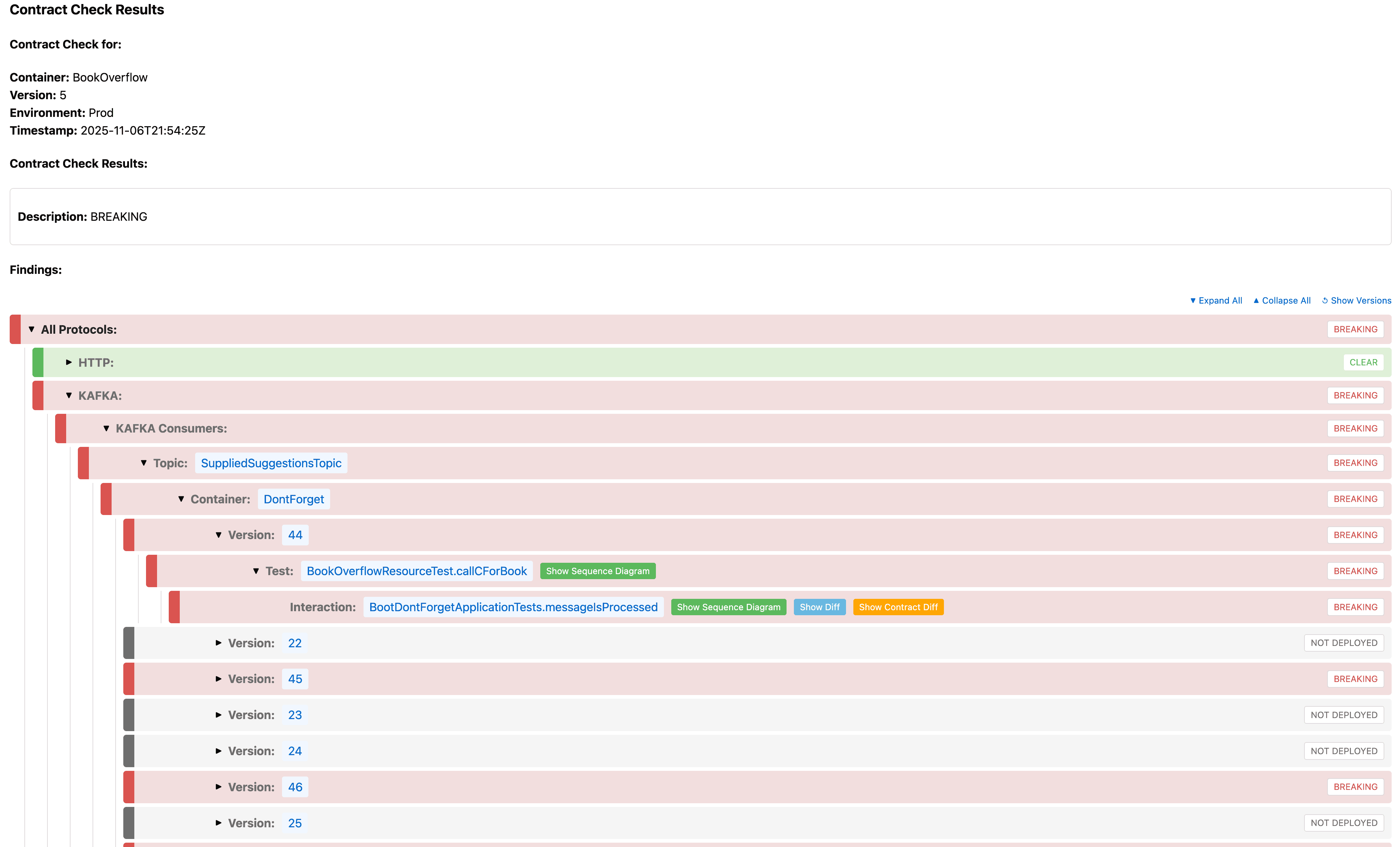
Drill in to compare at every level.
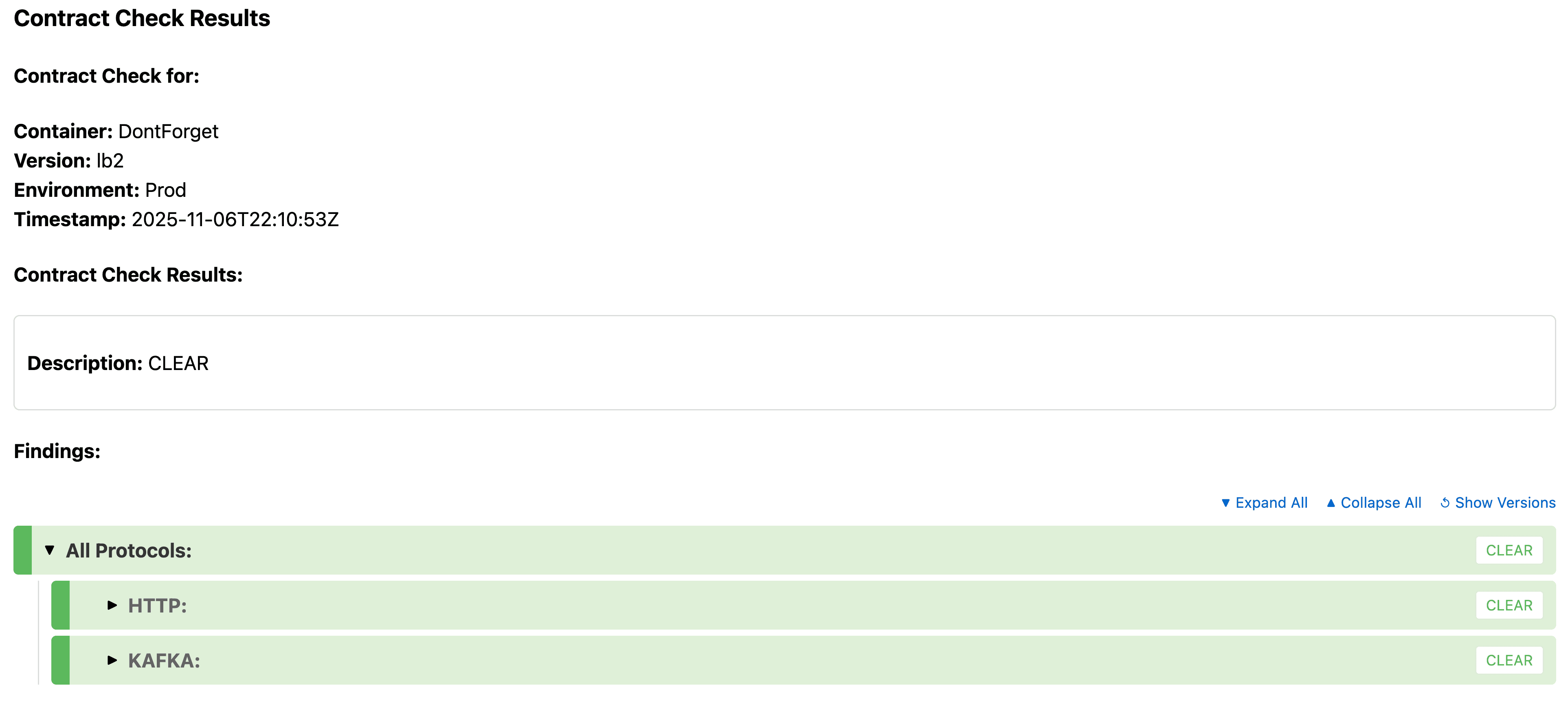
Start from high‑level protocol summaries and click through to services, endpoints, and individual interactions. Compare payloads, headers, timing, and even field‑level differences across versions and environments.
From overview to detail in a couple of clicks.
See exactly where things fail. In a diagram.
Failures are visual: red and amber highlights and markers show which interactions broke and where, so you can spot issues at a glance.
Tap a highlighted interaction to inspect the request and response and compare them with the expected contract.
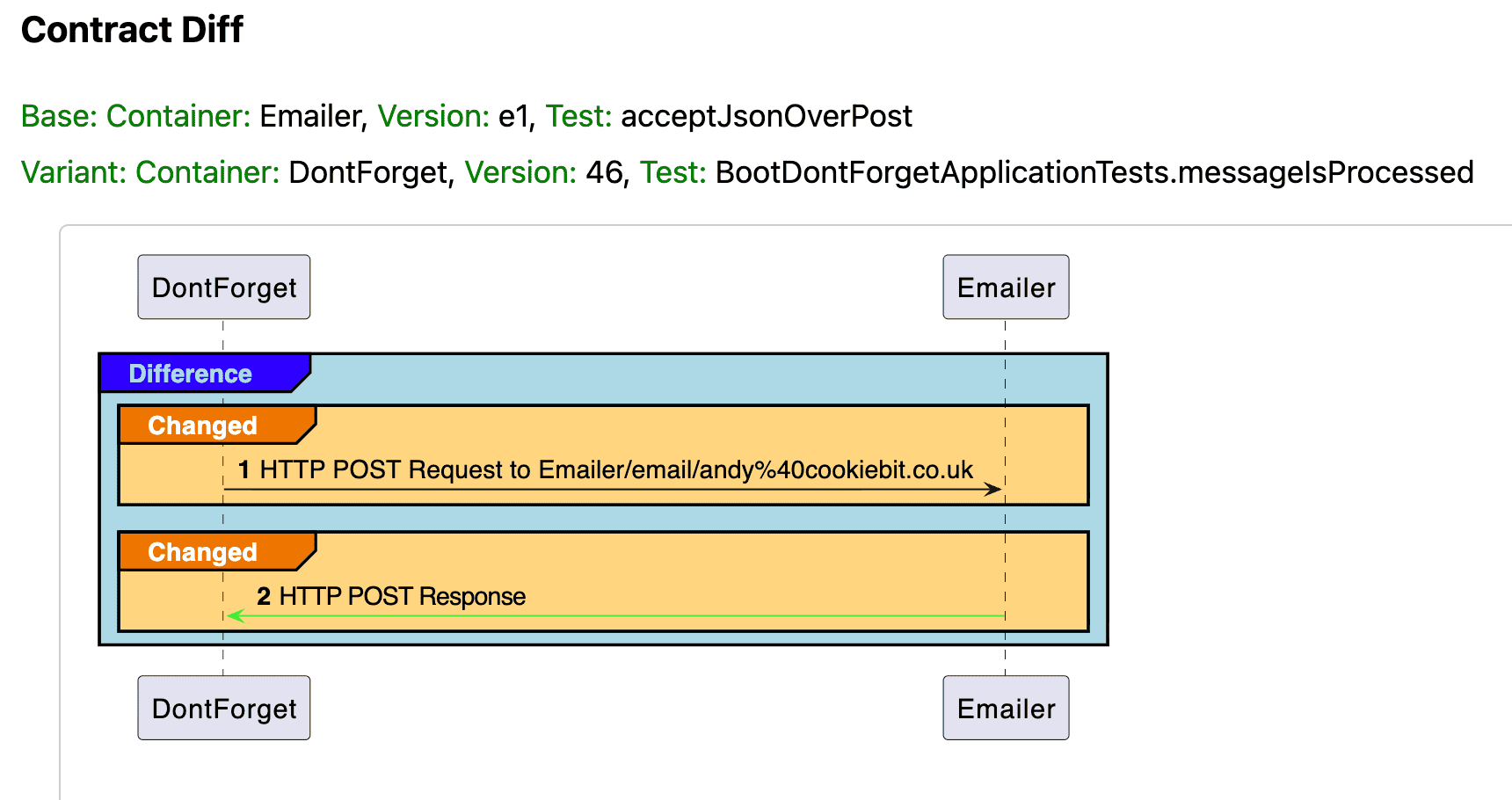
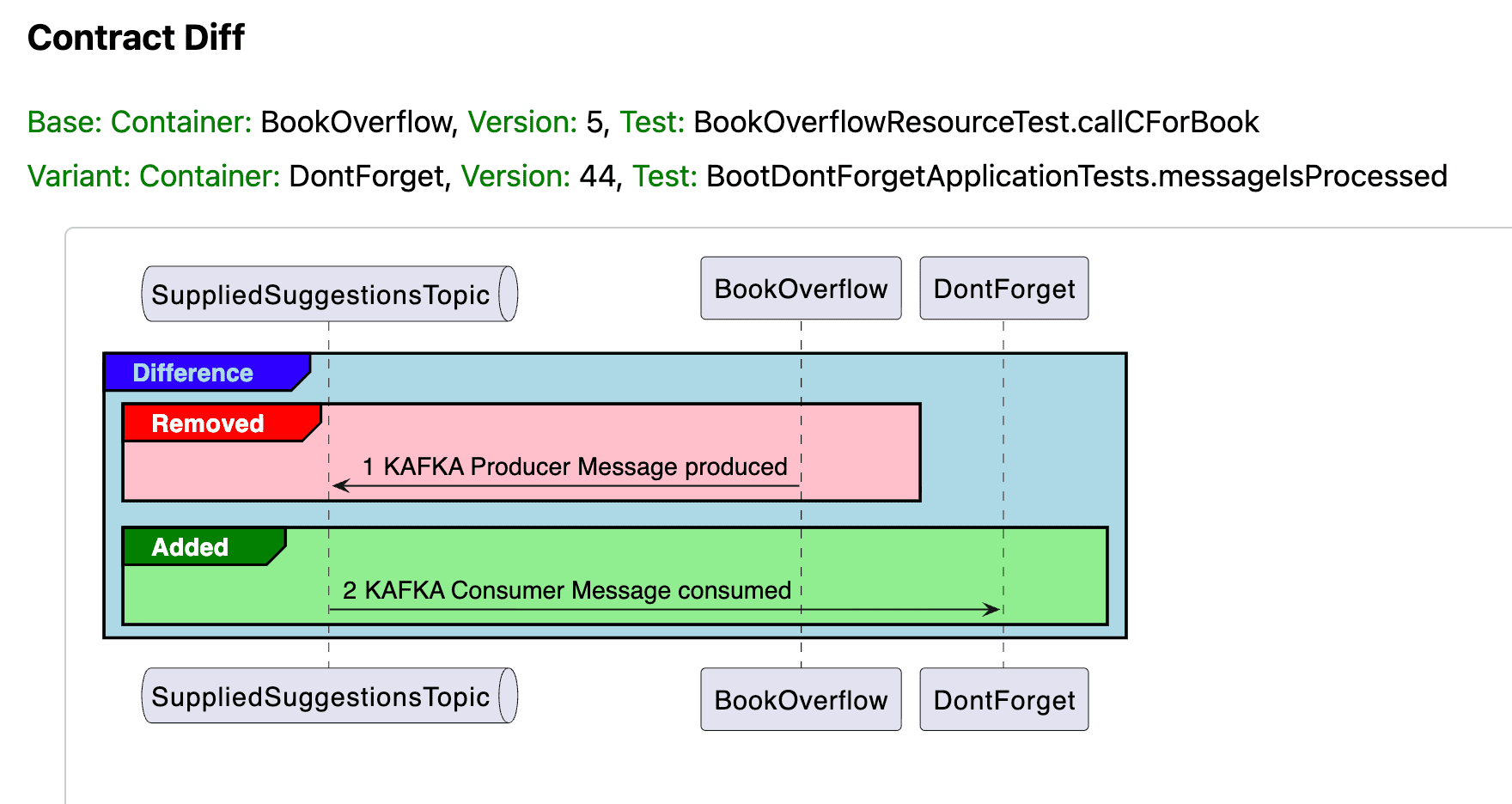
Kafka, too — same clarity.
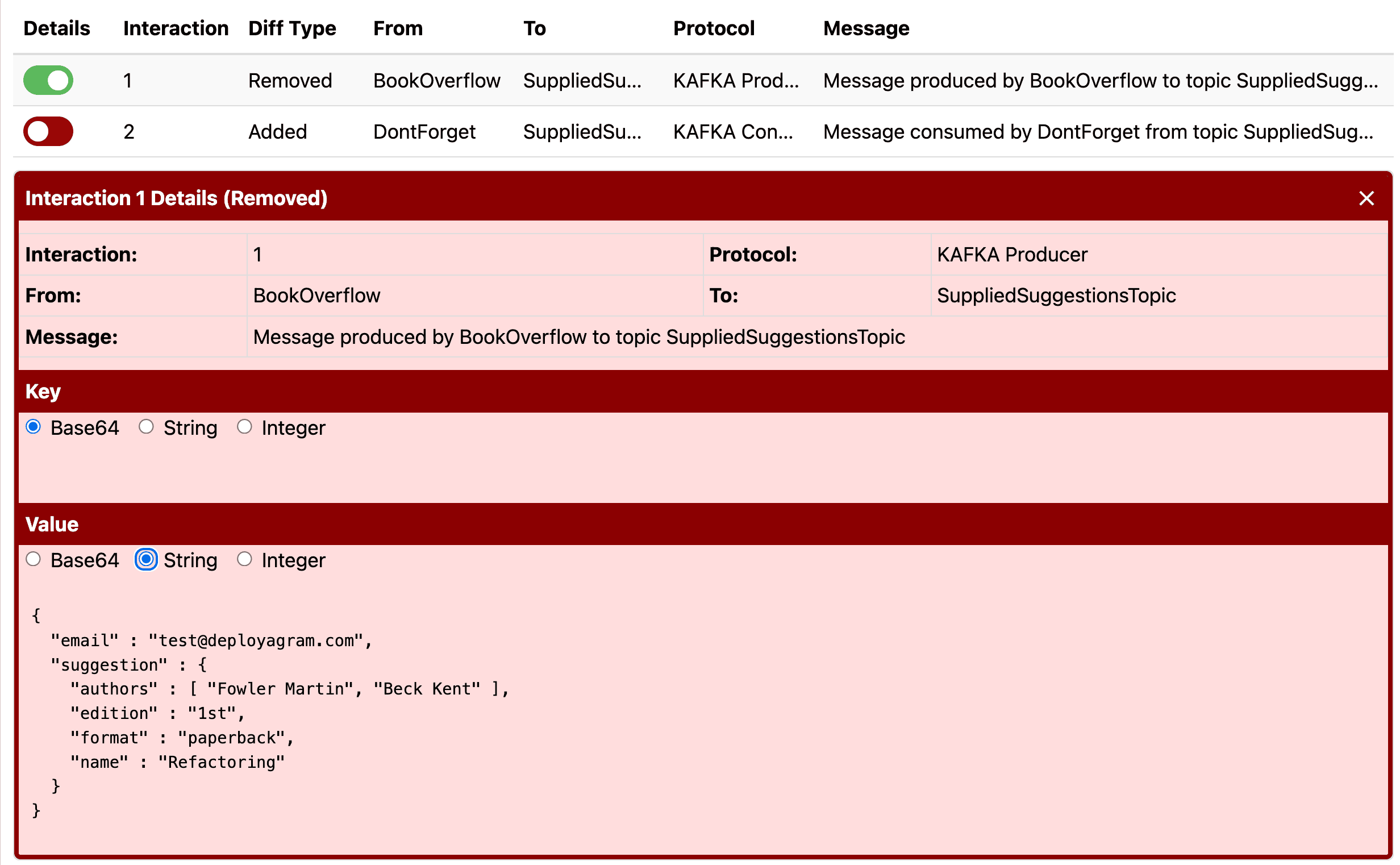
Get the same visual diffs for Kafka: see failing topics, partitions, and messages at a glance, then drill into payloads, headers, keys, and timing to understand exactly what changed.
Protocol‑aware views make streaming contracts as clear as HTTP.
Drill right down to the data.
When something doesn’t match the contract, you can still drill in to the exact request and response data that caused the result — body, headers, status, timing, and more.
Understand the why behind every pass or fail.
Fast contract checks in your pipeline
Use the API to run contract checks quickly in your delivery pipeline, so you can catch compatibility problems before release instead of discovering them in a shared environment later.