
What Is Contract Testing?
Contract testing helps microservices, HTTP APIs and Kafka-based systems move faster with less risk. It checks whether two applications can still work together, without relying on shared end-to-end environments.
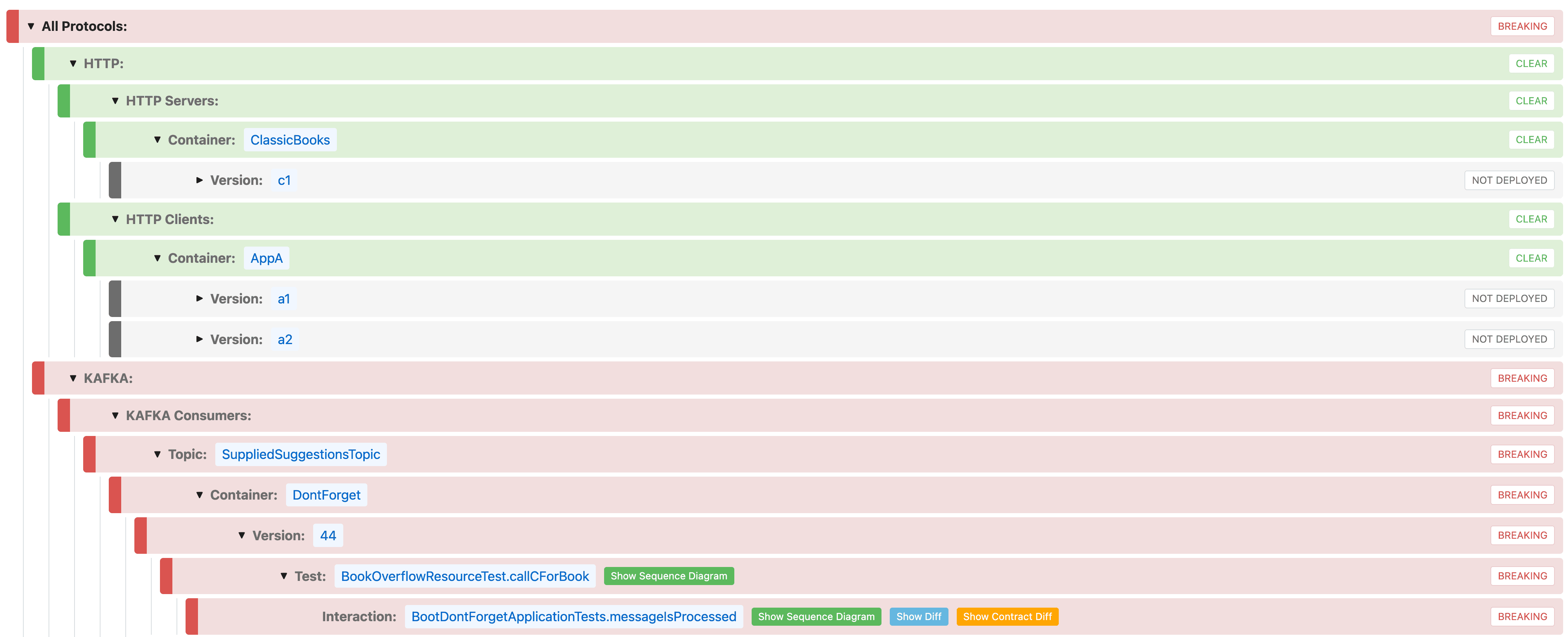
Contract testing explained simply
Contract testing is a way of checking that two separate systems agree on how they communicate. Usually, one system is a consumer and the other is a provider. The contract describes the interaction they both rely on, such as an HTTP request and response, or an event sent over Kafka.
Instead of deploying everything into a shared environment and hoping it all works together, you verify the agreed interaction directly. That gives you confidence that one service can change without unexpectedly breaking another.

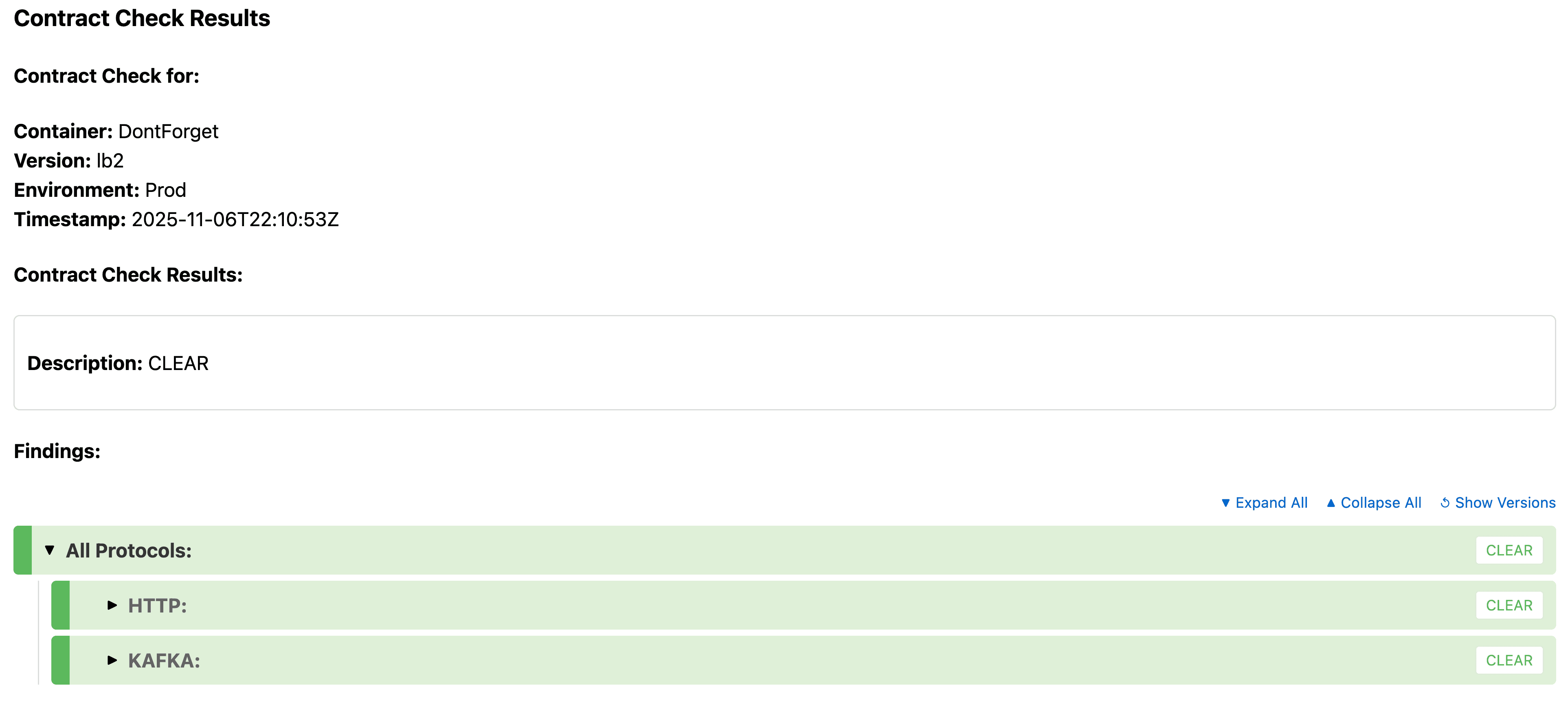
Why contract testing matters
As systems grow into multiple services, traditional integration and end-to-end tests often become slow, flaky and expensive to maintain. Contract testing gives you a tighter feedback loop by checking the important boundaries between applications.
- It supports independent deployability
- It reduces reliance on large shared environments
- It catches compatibility issues earlier
- It gives teams faster, clearer feedback
- It can serve as living technical documentation
Contract testing vs end-to-end testing
End-to-end tests may still have a place, but they should not be the foundation of a microservices testing strategy. As soon as release confidence depends on end-to-end tests passing in a shared environment, you lose the main benefit of microservices: independent deployability.
End-to-end tests depend on other services being deployed, available and behaving as expected at the same time. That makes them slower, more fragile and less trustworthy as a release gate. They can be useful as production smoke tests, but they are a poor fit as the main way to prove service compatibility before release.
They also have a versioning problem. A pre-production environment often contains a different combination of service versions than production. That means end-to-end tests can pass in pre-prod while production still breaks after release. Contract testing avoids that trap by verifying compatibility directly between consumers and providers, which is a much better fit for microservices.
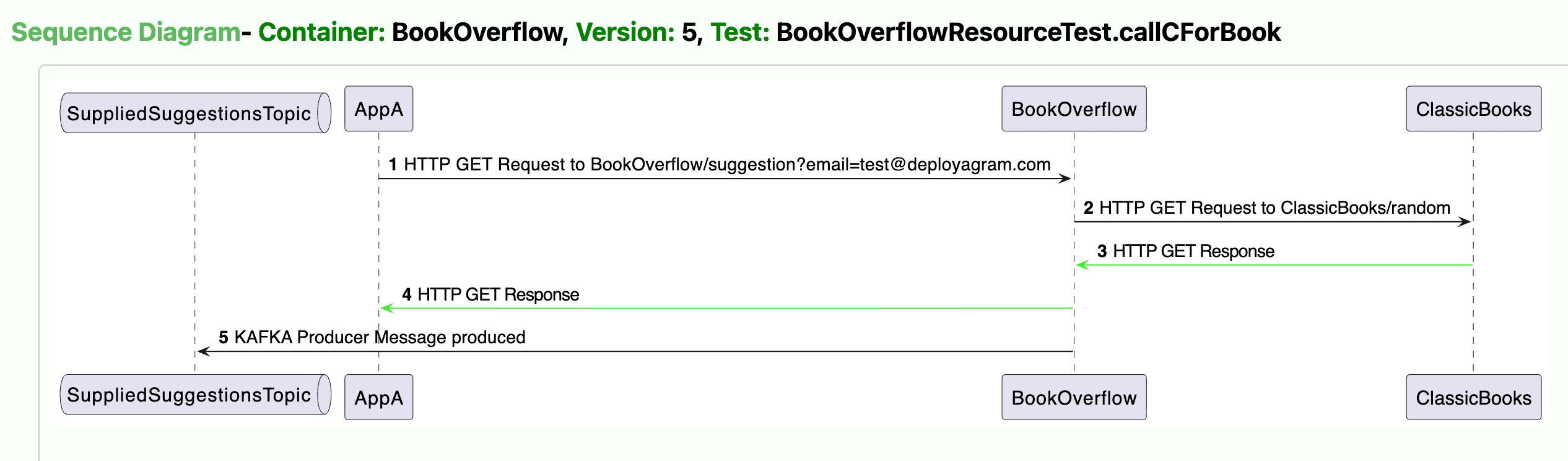
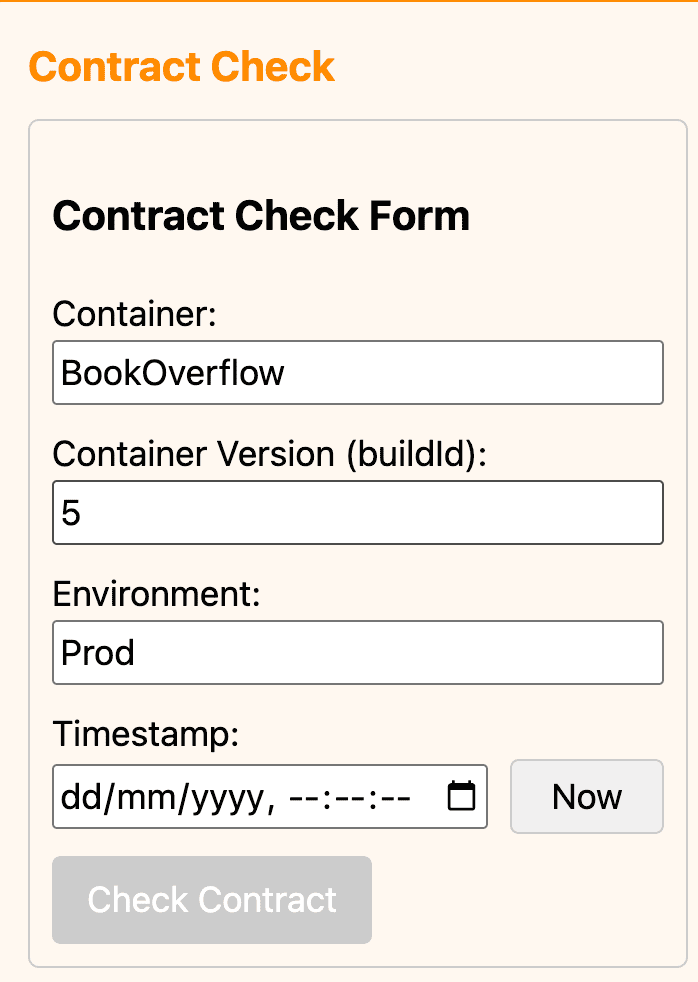
Contract testing for microservices
Microservices are valuable because teams can change and deploy services independently. That advantage disappears when every release depends on a shared environment and a full end-to-end test run just to prove nothing else was affected.
Contract testing helps preserve independent deployability by checking service boundaries directly. Teams can verify that consumer and provider expectations still match, without waiting for every other service to be deployed into the same environment first.
Contract testing for Kafka and event-driven systems
Contract testing is not only for HTTP APIs. It is also useful for asynchronous systems such as Kafka, where producers and consumers rely on message structure and behaviour staying compatible.
A producer can change an event in a way that looks harmless locally but breaks downstream consumers. Contract testing helps you catch that kind of problem before release by checking those expectations explicitly. See more in our Kafka contract testing guide.
How Deployagram approaches contract testing
No new tests. No DSL. Just instrument what you already have.
Deployagram makes contract testing visual without requiring teams to write new tests. Instead, it instruments your existing functional service tests and turns them into clear, reusable contract evidence.
That means you can adopt contract testing quickly, without introducing a new DSL or duplicating test effort. You can choose one service version, see what it is compatible with, inspect what changed, and understand failures more quickly across both HTTP and Kafka-based systems.
Key benefits of contract testing
Fast feedback
Find integration issues in minutes or seconds instead of waiting for long end-to-end runs.
Safer deployments
Reduce the risk of one service release breaking another service unexpectedly.
Clearer ownership
Make expectations between consumer and provider visible so teams can reason about change more easily.
Less environment pain
Lower reliance on large, fragile shared environments that are expensive to maintain.
Living documentation
Use real interactions as evidence of how systems communicate, rather than static documents that drift out of date.
Better for growing systems
As architectures become more distributed, contract testing helps keep integration risk manageable.
Frequently asked questions
What is contract testing?
It is a way of verifying that two systems still agree on how they communicate, such as over HTTP or Kafka.
Is contract testing better than end-to-end testing?
For microservices, yes. End-to-end tests depend on shared environments and specific version combinations, so they are a weak way to prove release safety. Contract tests are a much better fit for independent deployability, with end-to-end tests used only sparingly, such as smoke tests in production.
Why does contract testing suit microservices?
Because it supports independent deployability. Services can be tested at their boundaries without always standing up the whole system together.
Can contract testing work with Kafka?
Yes. It can help verify that producers and consumers still agree on message structure and behaviour in event-driven systems.
Do I have to write more tests?
Not necessarily. A useful approach is often to build on automated tests you already have and extract more value from them.
How do I get started?
Start by identifying important service boundaries, especially where compatibility failures would hurt. Add contract checks there first, build confidence at those boundaries, and avoid relying on pre-production end-to-end environments as your release safety net.
See contract testing more clearly
Get in touch to try Deployagram for visual contract testing, Kafka compatibility checks, release diffs and living architecture diagrams.